
Healthy Aging Secrets: Science-Backed Longevity Habits for a Better Life
Meta Title: Healthy Aging & Longevity: Science-Backed Habits (57 chars)
Meta Description: Discover evidence-based healthy aging and longevity habits, from nutrition to sleep, that boost healthspan and support preventive wellness. (157 chars)
Aging is inevitable, but how we age is not entirely out of our control. More people today are searching for ways to stay energetic, sharp, and independent well into their later years. This is where healthy aging and longevity come into focus. Rather than chasing unrealistic anti aging promises, modern science shows that small, consistent choices can add both years to life and life to years. In this guide, we explore what healthy aging really means, the biological and lifestyle factors that influence lifespan and healthspan, and the daily habits proven to support long-term wellness. You will learn how nutrition, exercise, sleep, stress management, and preventive healthcare work together to protect your brain, heart, muscles, and overall vitality. Whether you are in your 30s or your 70s, it is never too early or too late to build a foundation for healthy living. By understanding the science and applying practical strategies, you can take meaningful steps toward a longer, healthier, and more fulfilling life.
What Is Healthy Aging?
Healthy aging is the process of maintaining physical, mental, and social well-being as you grow older. It does not mean avoiding every wrinkle or preventing all disease, but rather optimizing quality of life.
Two important terms often appear in longevity discussions:
- Lifespan is the total number of years you live.
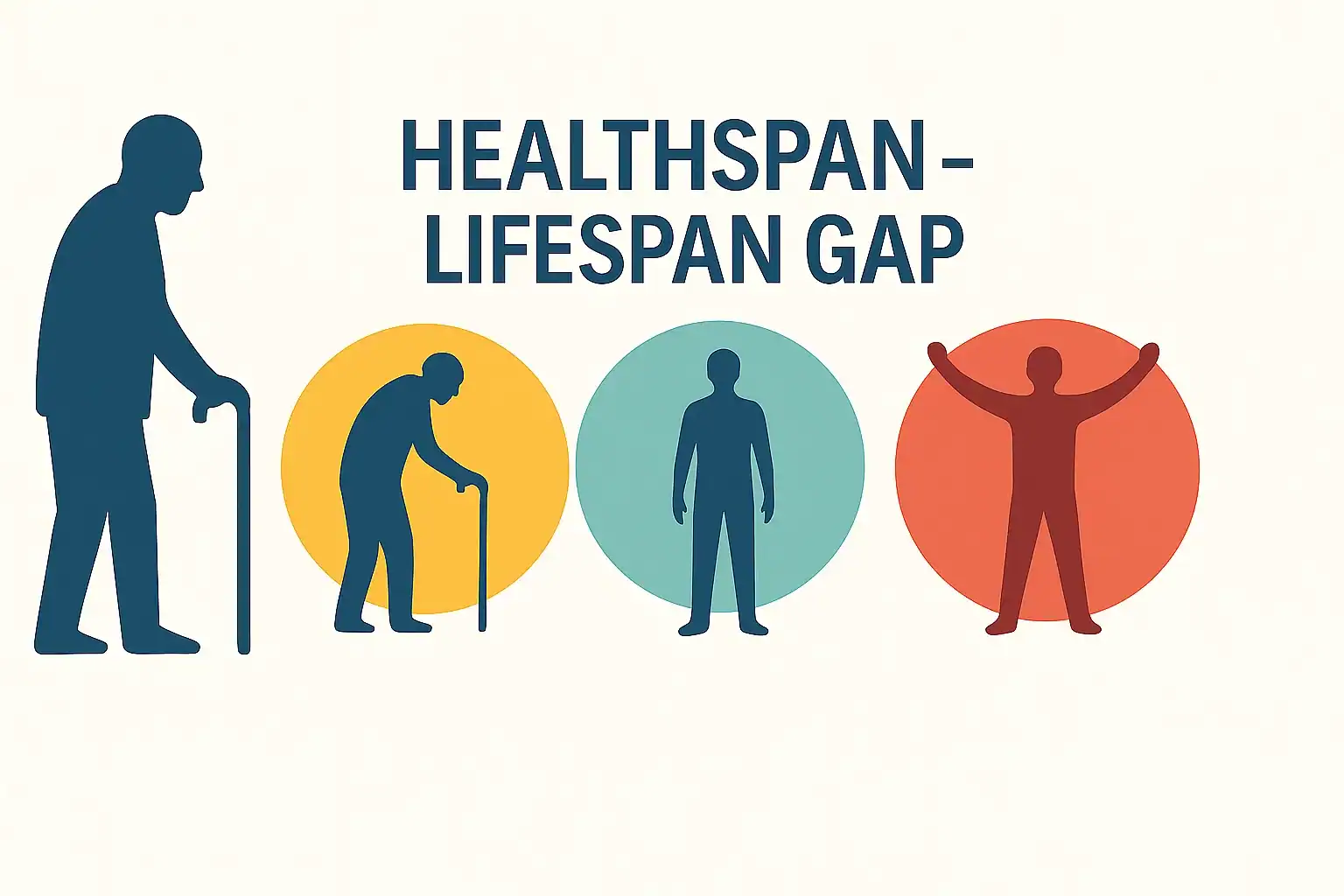
- Healthspan is the number of years you live in good health, free from major chronic disease or disability.
A long lifespan with poor health is not the goal. Increasing healthspan allows you to remain active, independent, and engaged. Healthy aging focuses on extending healthspan so that later life is marked by vitality rather than illness.
The Science Behind Longevity
Longevity is influenced by multiple overlapping factors.
Genetics
Genes account for roughly 20–30% of how long we live. Some families carry genetic variants linked to slower aging or lower disease risk. However, genetics is not destiny. Epigenetics shows that lifestyle can switch genes on or off.
Lifestyle
Daily behaviors have a powerful impact. Smoking, poor diet, inactivity, and chronic stress accelerate aging. In contrast, healthy lifestyle choices reduce inflammation, support cellular repair, and lower disease risk.
Environment
Where you live matters. Clean air, safe housing, access to healthcare, and community support all shape longevity. Exposure to pollution or toxins can shorten healthspan.
Daily Habits That Support Healthy Aging
Building longevity habits does not require extreme measures.
Regular Physical Activity
Movement keeps the heart, brain, and muscles healthy. Aim for:
- 150 minutes of moderate aerobic activity weekly
- 2 strength sessions per week
- Daily walking or mobility work
Quality Sleep
Sleep is when the body repairs tissue and clears brain waste. Adults should target 7–9 hours nightly.
Stress Reduction
Chronic stress raises cortisol and fuels inflammation. Useful tools include:
- Meditation
- Deep breathing
- Time in nature
Strong Social Connections
Loneliness is linked to higher mortality. Staying connected protects brain and heart health.
Lifelong Learning
Reading, puzzles, or new skills stimulate neuroplasticity and support cognitive health.
Nutrition for Longevity
Healthy nutrition is central to healthy aging.
Mediterranean Diet
Rich in vegetables, olive oil, fish, and whole grains, this pattern is linked to lower heart disease and longer life.
Plant-Based Foods
Beans, lentils, fruits, and vegetables provide antioxidants and phytonutrients.
Healthy Fats
Omega-3s from fish and nuts reduce inflammation.
Fiber
Fiber supports gut health and steady blood sugar.
Hydration
Water aids digestion, cognition, and temperature regulation.
Foods Linked to Healthy Aging
| Food | Key Benefit |
|---|---|
| Blueberries | Antioxidants for brain |
| Salmon | Omega-3 for heart |
| Leafy greens | Vitamins, fiber |
| Nuts | Healthy fats |
| Yogurt | Gut health |
Exercise for Long-Term Health
A balanced routine includes cardio, strength, flexibility, and balance training. This protects against falls, obesity, and cognitive decline.
Brain Health and Memory
Sleep, learning, social ties, and a Mediterranean-style diet all support memory. Limiting alcohol also helps.
Heart Health
Control blood pressure, avoid smoking, stay active, and eat healthy fats to protect the cardiovascular system.
Maintaining Muscle and Bone Strength
After 40, muscle mass declines. Resistance training and adequate protein preserve function and independence.
Preventive Healthcare and Regular Checkups
Screenings catch issues early. Important checks include:
- Blood pressure
- Cholesterol
- Cancer screenings
- Bone density
Common Myths About Living Longer
- Myth: Anti aging supplements reverse aging.
- Myth: Only genetics matter.
- Myth: Older adults should avoid exercise.
A Simple Daily Longevity Routine
- Morning walk
- Balanced breakfast with protein and fiber
- Short learning session
- Evening stretch and sleep hygiene
Frequently Asked Questions
1. What is the difference between lifespan and healthspan?
Lifespan is total years lived. Healthspan is years lived without major illness. Healthy aging aims to extend healthspan.
2. Can lifestyle really affect longevity?
Yes. Studies show healthy lifestyle habits can significantly lower chronic disease risk and support longer, better-quality life.
3. Is the Mediterranean diet best for healthy aging?
It is one of the most researched. It supports heart, brain, and metabolic health through whole foods and healthy fats.
4. How much exercise do older adults need?
At least 150 minutes of moderate activity weekly plus strength training twice a week, adjusted to ability.
5. Does sleep affect aging?
Poor sleep accelerates cognitive and physical decline. Quality sleep is essential for repair and memory.
6. Are supplements necessary for longevity?
Most needs are met through diet. Some may benefit from vitamin D or omega-3, but consult a clinician.
7. How does stress impact healthspan?
Chronic stress increases inflammation and disease risk. Management techniques protect long-term health.
8. When should preventive healthcare start?
In adulthood and continue regularly. Early screening improves outcomes and supports healthy living.
Final Thoughts
Healthy aging is not a single product or quick fix. It is a lifelong practice built on nutritious food, daily movement, restorative sleep, meaningful connection, and preventive care. By focusing on healthspan, you give yourself the best chance at a longer, vibrant life.