
Why Sunscreen Is Your Skin’s Best Defense During Summer
Meta Title: Why Sunscreen Matters Most in Summer | SPF Guide
Meta Description: Discover why daily sunscreen is vital in summer. Learn SPF, UVA/UVB defense, skin cancer prevention, and how to build sun safety habits.
Summer is the season of beach trips, hiking trails, backyard barbecues, and longer daylight hours. It is also the time when your skin faces the highest yearly exposure to ultraviolet (UV) radiation. Many people believe sunscreen is only necessary on vacation or during heat waves, but dermatologists consistently stress that daily UV protection is one of the most effective ways to maintain healthy skin and reduce long-term disease risk.
The connection between sun exposure and skin damage is well established. UV radiation penetrates the skin and alters cellular DNA, accelerating aging and increasing the likelihood of skin cancer. During summer, the sun sits higher in the sky, daylight lasts longer, and people spend more time outdoors. Even incidental exposure—like walking to a car or gardening for 20 minutes—adds up.
This article explains how sunscreen works, why summer raises your risk, the evidence-based benefits of daily use, and how to choose and apply the best sunscreen for your skin type. Whether you are building a skincare routine or refining your sun safety habits, understanding SPF, UVA rays, and UVB rays is the first step toward lifelong skin health.
What Is Sunscreen?
Sunscreen is a topical product that helps shield the skin from ultraviolet radiation. It contains filters that either absorb, scatter, or reflect UV rays before they penetrate deeper skin layers.
There are two primary types of UV radiation that affect human skin:
- UVA rays: These have longer wavelengths and penetrate deep into the dermis. They are linked to premature skin aging, wrinkles, and pigmentation changes. UVA exposure occurs year-round and passes through glass.
- UVB rays: These have shorter wavelengths and primarily affect the skin’s surface. They are the main cause of sunburn and play a central role in skin cancer development.
A broad-spectrum sunscreen protects against both UVA and UVB rays. This dual defense is essential for comprehensive sun protection and effective skin cancer prevention.
Why Summer Increases the Risk of Skin Damage
Stronger UV Radiation
The sun’s angle is more direct in summer, especially near solar noon. This reduces the atmospheric filtering of UV rays and increases intensity. UV indices often reach “very high” or “extreme” levels.
Longer Sun Exposure
Extended daylight means more hours of potential exposure. Even short outdoor breaks accumulate into significant UV dose over a day.
Outdoor Activities
Swimming, cycling, and sports increase time outside. Water and sand reflect UV rays, raising exposure beyond what a simple timer would suggest.
Heat and Skin Stress
High temperatures increase sweat and oil production. Sweat can reduce sunscreen film integrity, while heat may worsen inflammatory skin conditions.
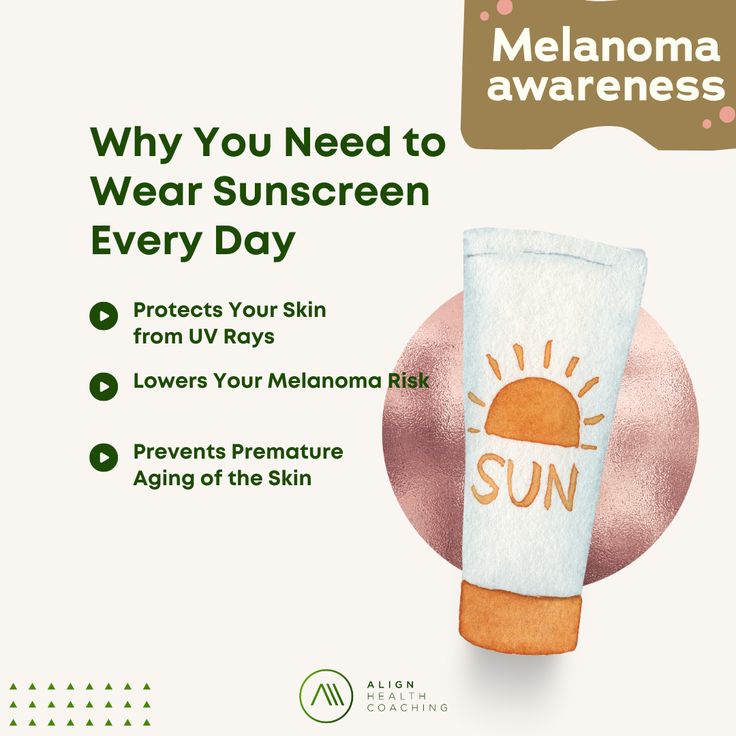
Health Benefits of Wearing Sunscreen Every Day
Preventing Sunburn
Sunburn is an inflammatory response to UVB damage. Regular sunscreen use lowers sunburn incidence and prevents painful skin injury.
Reducing Premature Skin Aging
Studies show daily broad-spectrum sunscreen slows photoaging. Users show fewer wrinkles and less pigment irregularity over time.
Lowering the Risk of Skin Cancer
Consistent SPF use is associated with reduced melanoma and non-melanoma skin cancer rates. Sunscreen is a cornerstone of skin cancer prevention.
Preventing Dark Spots and Hyperpigmentation
UV triggers melanin overproduction. Sunscreen for face use helps maintain even tone and prevents post-inflammatory marks.
Protecting Sensitive Skin
Sunscreen for sensitive skin with mineral filters minimizes reactivity while providing needed UV protection.
How to Choose the Right Sunscreen
SPF Explained
SPF measures UVB protection. SPF 30 blocks about 97% of UVB; SPF 50 blocks about 98%. No sunscreen blocks 100%.
| SPF | Approx. UVB Blocked |
|---|---|
| 15 | 93% |
| 30 | 97% |
| 50 | 98% |
Mineral vs Chemical Sunscreens
- Mineral: Zinc oxide or titanium dioxide; sits on skin; good for sensitive skin.
- Chemical: Absorbs UV; often lighter feel; needs 15 min pre-application.
Water-Resistant Sunscreens
Labeled 40 or 80 minutes. Reapply after swimming or sweating for continued sun safety.
Sunscreens for Different Skin Types
- Oily: Gel or matte fluid
- Dry: Cream with ceramides
- Sensitive: Mineral, fragrance-free
- Acne-prone: Non-comedogenic
Common Mistakes People Make When Using Sunscreen
- Applying too little product
- Skipping reapplication
- Missing ears, neck, and hands
- Using expired sunscreen
- Relying only on makeup SPF
- Forgetting cloudy-day protection
- Not applying before sun exposure
- Ignoring lips and scalp
How to Apply Sunscreen Correctly
- Apply 15 minutes before going outside.
- Use about 1 ounce (shot glass) for body.
- Use two finger lengths for face and neck.
- Cover often-missed areas: ears, tops of feet.
- Reapply every 2 hours or after water/sweat.
- Layer after moisturizer, before makeup.
- Do not rub aggressively; smooth evenly.
Additional Ways to Protect Your Skin During Summer
Protective Clothing
UPF garments block UV efficiently during prolonged outdoor time.
Sunglasses
Labels should state 100% UV protection to shield eyes and lids.
Wide-Brim Hats
Brims over 3 inches protect face, ears, and neck.
Seeking Shade
Trees, umbrellas, and awnings lower direct exposure.
Staying Hydrated
Water supports skin barrier function under heat stress.
Myths About Sunscreen
- “Sunscreen causes vitamin D deficiency.” Controlled studies show normal levels maintained with sensible use.
- “Dark skin doesn’t need sunscreen.” Melanin helps but does not prevent skin cancer.
- “Higher SPF means all-day protection.” All SPFs require reapplication.
- “Makeup with SPF is enough.” Usually insufficient quantity applied.
- “Clouds block UV.” Up to 80% UV passes cloud cover.
- “You can’t burn in water.” UV reflects and penetrates surface.
- “Sunscreen is toxic.” Approved filters are safe at labeled use.
- “Indoor workers skip SPF.” UVA passes windows.
- “Sunburn fades safely.” Each burn raises cancer risk.
- “Kids tolerate sun better.” Young skin is highly vulnerable.
- “Base tan prevents burn.” Tan is DNA damage, not protection.
Frequently Asked Questions
1. How much sunscreen should I use on my face?
About two finger-length strips covering forehead, cheeks, nose, and neck.
2. Can I use last year’s sunscreen?
Check expiration. If none, discard after three years or if texture changes.
3. Is mineral sunscreen better?
For sensitive skin, yes. Both types work if broad-spectrum and applied correctly.
4. Do I need sunscreen in winter?
Yes. UVA persists; snow reflects UVB strongly.
5. What SPF is best for daily use?
Dermatologists recommend SPF 30 or higher.
6. Should babies use sunscreen?
Under 6 months: shade and clothing first; consult pediatrician for product use.
7. How often reapply on cloudy days?
Every 2 hours if outside continuously.
8. Does sunscreen clog pores?
Non-comedogenic formulas reduce this risk.
9. Can sunscreen expire faster in heat?
Yes. Store in cool, dry place away from car heat.
Final Thoughts
Summer skincare demands consistent sun protection. Sunscreen benefits extend beyond avoiding sunburn—they include healthy skin, reduced aging, and vital skin cancer prevention. Choose broad-spectrum SPF, apply correctly, and combine with hats, shade, and hydration. Make sunscreen for face and body a non-negotiable part of your skincare routine and enjoy the season safely.