
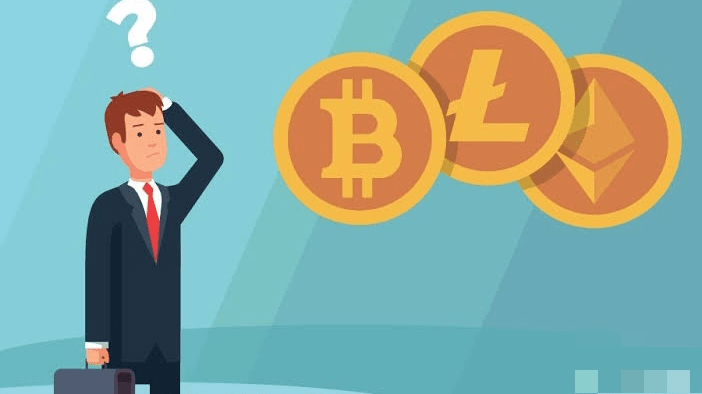
Stop Before You Click Buy: The Hidden Dangers of Crypto Investing Beginners Ignore
Meta Title: Crypto Risks Beginners Must Know Before Investing (55 chars)
Meta Description: Learn the real cryptocurrency risks, bitcoin crashes, scams, and volatility. A balanced guide to safer crypto investing for beginners. (157 chars)
Every day, millions of people open trading apps and buy digital coins they barely understand. The promise is seductive: financial freedom, exponential returns, and early access to the future of money. Social media feeds are filled with screenshots of life-changing profits, influencers urging followers to “ape in,” and headlines about Bitcoin reaching new all-time highs. It is easy to see why cryptocurrency investing has become one of the most talked-about financial trends of the decade.
But beneath the excitement lies a far less glamorous reality. Cryptocurrency is one of the most volatile and unpredictable asset classes in modern history. Prices can double in weeks and collapse by 70% in days. Entire platforms have disappeared overnight, taking customer funds with them. Scammers have stolen billions from hopeful investors who trusted the wrong project or link.
This article is not against crypto. Blockchain technology and digital assets may play a meaningful role in the future of finance. However, cryptocurrency investments involve risk and prices can rise or fall significantly. Beginners must understand the mechanics, the dangers, and the discipline required before committing any money. The goal here is clarity, not hype.
What Is Cryptocurrency?
Cryptocurrency is a type of digital money that uses cryptography and blockchain technology to record transactions without a central bank. Instead of a company or government controlling it, a network of computers verifies and stores every transfer on a public ledger.
The main categories include:
- Bitcoin (BTC): The first and largest cryptocurrency. Created in 2009, it is often called “digital gold” and is primarily used as a store of value.
- Ethereum (ETH): A blockchain platform that supports smart contracts and decentralized applications. Its native coin is used to power the network.
- Stablecoins: Tokens designed to hold a steady value, usually pegged to the US dollar (e.g., USDC, USDT). They are used for trading and transfers but still carry issuer risk.
- Altcoins: Any cryptocurrency other than Bitcoin. These include large projects like Solana and Cardano, as well as thousands of smaller, speculative tokens.
All of these are considered digital assets, but they differ greatly in purpose, security, and risk level.
Why Cryptocurrency Prices Are So Volatile
Cryptocurrency volatility is not a bug; it is a feature of young, loosely regulated markets.
Supply and Demand
Most coins have fixed or algorithm-controlled supplies. When demand spikes, prices shoot up fast. When interest fades, there are few buffers to stop the fall.
Market Sentiment
Crypto prices are heavily driven by emotion. A single tweet, rumor, or viral post can trigger massive buying or panic selling.
Regulations
News of government bans, taxes, or approvals can instantly move markets. Uncertainty is constant across global jurisdictions.
Global Economic Events
Interest rate changes, inflation data, and stock market declines often spill into crypto, amplifying swings.
Whale Activity
A small number of large holders (“whales”) can move prices by buying or selling huge amounts. Their actions create sudden spikes or crashes.
The Biggest Risks of Investing in Crypto
Understanding crypto risks is the first step toward protecting yourself.
Market Crashes
A crypto market crash can erase trillions in value across the industry within months. These are not rare; they are cyclical.
Extreme Price Volatility
Double-digit percentage moves in a single day are normal. This makes timing the market nearly impossible for beginners.
Scams and Fraud
Fake giveaways, phishing sites, and impersonator accounts steal funds daily. If an offer looks too good to be true, it is.
Rug Pulls
Developers launch a token, attract buyers, then withdraw all liquidity and vanish. The token becomes worthless instantly.
Exchange Failures
Centralized exchanges can freeze withdrawals, get hacked, or go bankrupt. Customers may lose access to their coins permanently.
Wallet Security
If you lose your private key or seed phrase, your crypto is gone. There is no password reset.
Emotional Trading
Fear and greed lead to buying highs and selling lows. Most beginners underperform simply due to poor timing.
Bitcoin Price History
Bitcoin has experienced multiple major corrections throughout its history, including significant declines during previous market cycles. For example:
| Year | Approx. Peak | Following Decline |
|---|---|---|
| 2013 | ~$1,150 | -80% |
| 2017 | ~$19,000 | -84% |
| 2021 | ~$69,000 | -77% |
Each cycle brought new investors who believed “this time is different.” Many were punished by severe drawdowns. While Bitcoin has recovered in the long term, past performance does not guarantee future results. Bitcoin investment requires tolerance for extreme uncertainty.
Common Mistakes Beginners Make
New crypto users repeat the same painful errors. Avoid these at all costs:
- Investing without understanding blockchain basics.
- Putting rent money into crypto.
- Trusting anonymous “advisors” on Telegram.
- Falling for fake celebrity giveaways.
- Buying because of FOMO (fear of missing out).
- Ignoring transaction fees and slippage.
- Leaving large balances on exchanges.
- Reusing weak passwords across wallets.
- Clicking malicious airdrop links.
- Overtrading on leverage.
- Ignoring tax obligations.
- Believing guaranteed profit claims.
- Not writing down seed phrases offline.
- Following influencers instead of research.
Risk Management Strategies
You cannot remove investment risk, but you can contain it.
Diversification
Do not hold only one coin. Spread exposure across established assets and avoid tiny unknown tokens.
Dollar-Cost Averaging (DCA)
DCA investing means buying a fixed amount on a schedule. This reduces the impact of volatility over time.
Investing Only What You Can Afford to Lose
Never use emergency funds. Crypto should be speculative capital only.
Long-Term Thinking
Short-term noise distracts. A multi-year view helps avoid panic during crashes.
Portfolio Allocation
Limit crypto to a small percentage of total wealth. A common rule is under 5–10% for beginners.
Warning Signs Before Investing
Use this red-flag checklist:
- Promises of fixed daily returns
- No whitepaper or anonymous team
- Pressure to refer friends for rewards
- Unregistered exchange with no audits
- “Guaranteed” rocket emojis in groups
- Withdrawal limits or delays
- No clear use case for the token
- Celebrity endorsements without proof
- Unrealistic roadmap claims
- Lack of community transparency
Frequently Asked Questions
1. Is cryptocurrency a safe investment?
No investment is completely safe. Crypto carries high volatility, regulatory, and security risks.
2. Can Bitcoin go to zero?
Theoretically yes. While unlikely for Bitcoin due to network effects, no asset is immune to failure.
3. What is the safest way to store crypto?
A hardware wallet with an offline seed phrase is among the safest options for self-custody.
4. How do I avoid crypto scams?
Verify sources, never share keys, and ignore unsolicited offers. Research before any transaction.
5. Should beginners use leverage?
No. Leverage multiplies both gains and losses and often leads to liquidation.
6. What causes a crypto market crash?
Typically a mix of macro events, leverage unwinding, exchange issues, and sentiment shifts.
7. Is stablecoin investing risk-free?
No. Stablecoins depend on the issuer’s reserves and can depeg during stress.
8. How much should I invest as a beginner?
Only an amount you can fully lose without lifestyle impact, often a small portfolio slice.
9. Does DCA really work?
It reduces timing risk but does not guarantee profit. It suits long-term disciplined buyers.
10. Are altcoins riskier than Bitcoin?
Generally yes. Most have smaller communities, lower liquidity, and higher failure rates.
11. Can governments ban crypto?
Some have tried. Bans increase risk and reduce access but are hard to enforce globally.
12. How do I track crypto taxes?
Use reporting software and consult a local tax professional. Rules vary by country.
Final Thoughts
Cryptocurrency can be a fascinating and potentially rewarding part of a broader financial strategy, but it is not a game. The combination of cryptocurrency volatility, bitcoin risks, exchange failures, and human error has ruined many beginners who rushed in unprepared. Digital assets may evolve, but the need for caution never disappears.
Before making any decision, read widely, test small amounts, and build your own understanding of blockchain and markets. Cryptocurrency investments involve risk and prices can rise or fall significantly. Treat every claim of easy wealth with suspicion, and remember that surviving the downturns matters more than catching the peaks. Research carefully, manage risk relentlessly, and never confuse hype with evidence.