
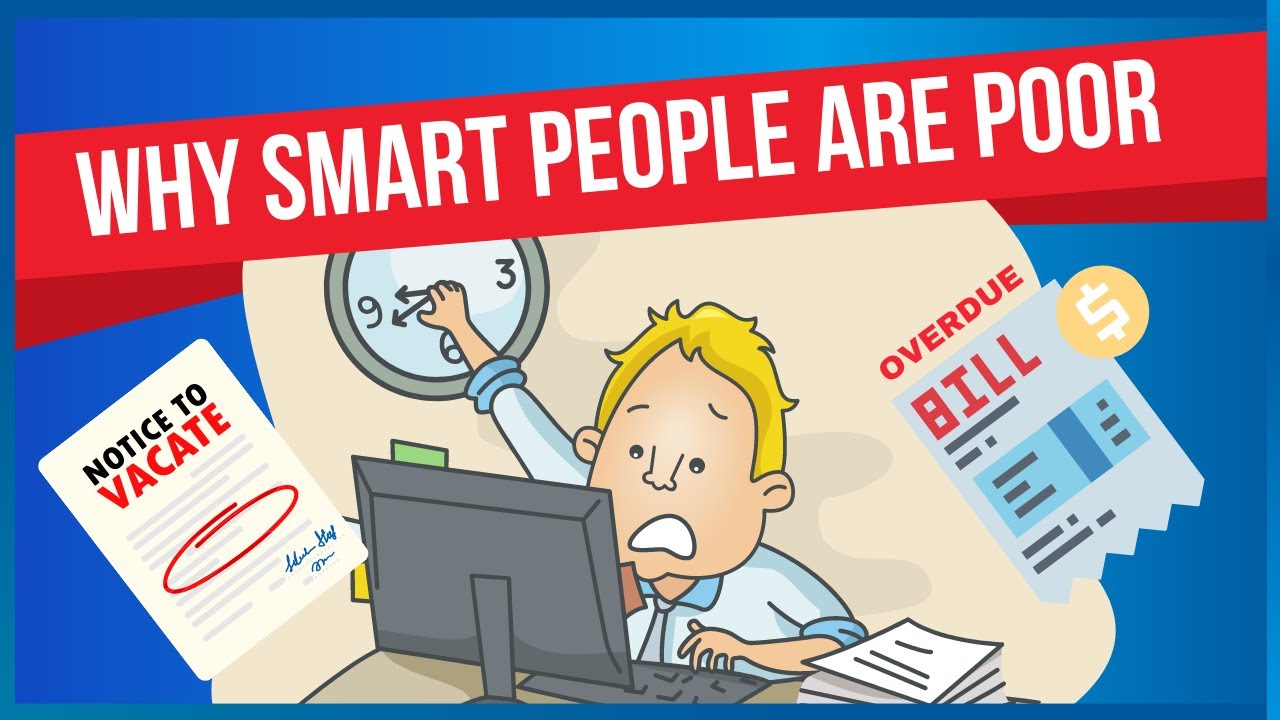
Why Knowing Better Doesn’t Stop You From Making Dumb Money Moves
Meta Title: Why Smart People Make Bad Money Choices (Psychology Explains)
Meta Description: Despite financial literacy, emotions drive poor money decisions. Learn the psychology of money and how to build smarter financial habits.
Most of us know the basics of personal finance. We understand that saving money is good, debt is dangerous, and investing early builds wealth. Yet despite this knowledge, millions of people still overspend, panic-sell investments, and live paycheck to paycheck. Why? Because financial decisions are rarely logical. They are emotional.
The psychology of money shows that human behavior is wired for survival, not wealth building. Our brains evolved to react quickly to threats and rewards, not to calculate compound interest. When the stock market drops, fear overrides reason. When a sale appears, excitement overrides restraint. When friends buy new cars, social pressure overrides budgeting.
Behavioral finance proves that emotions like fear, greed, and shame shape financial outcomes more than math ever will. A person with perfect knowledge of index funds can still lose money by timing the market out of anxiety. A family with a solid budget can still spiral into debt through emotional spending.
This article explores why smart people make poor financial decisions, the cognitive biases that quietly drain wealth, and the daily habits that separate financially successful individuals from the rest. You will learn how social media fuels bad choices, how to fight instant gratification, and how to rebuild your relationship with money using evidence-based strategies.
What Is the Psychology of Money?
The psychology of money is the study of how thoughts, emotions, and beliefs influence financial behavior. It blends personal finance with behavioral economics to explain why people do what they do with money.
Traditional finance assumes humans are rational. Behavioral finance disagrees. It shows that people are emotional, biased, and easily influenced. Money is not just numbers. It represents safety, status, freedom, and self-worth.
Key points:
- Money decisions are made in the emotional brain first, logical brain second.
- Childhood experiences shape money beliefs for life.
- Financial literacy alone does not change behavior.
- Emotions like fear and guilt drive spending and investing.
Understanding financial psychology helps you notice your triggers and build better systems.
Why Smart People Still Make Bad Financial Decisions
Intelligence does not protect you from emotion. Many highly educated people struggle with money because they ignore their own behavioral patterns.
Fear
Fear causes people to avoid investing or sell during crashes. Example: An engineer with a great salary pulls all money from stocks in 2020 COVID panic and misses the rebound.
Greed
Greed drives risky bets. Example: A doctor invests in meme stocks hoping for fast wealth and loses 40% in weeks.
Overconfidence
Smart people believe they can beat the market. Example: A lawyer trades options daily, pays high fees, and underperforms a simple index fund.
Social Pressure
We spend to fit in. Example: A teacher buys a luxury bag to match coworkers, then carries credit card debt for a year.
Instant Gratification
The brain wants now over later. Example: A student buys gadgets instead of funding an emergency fund, then suffers during job loss.
Cognitive Biases That Affect Money Decisions
Biases are mental shortcuts that distort reality. They quietly ruin financial plans.
Loss Aversion
People fear losses more than they value gains. Example: An investor holds a losing stock for years to avoid “locking in” a loss, missing better opportunities.
Confirmation Bias
We seek info that supports our views. Example: A crypto believer only reads bullish news and ignores warning signs before a crash.
Herd Mentality
We follow the crowd. Example: Homebuyers in 2007 paid top prices because “everyone was doing it,” then faced foreclosure.
Anchoring Bias
We rely on first numbers. Example: A shopper sees a $200 jacket marked down to $80 and feels smart, ignoring they never needed it.
Recency Bias
We overweigh recent events. Example: After a strong market year, a retiree shifts to aggressive stocks, then loses capital in the downturn.
| Bias | What It Does | Real Example |
|---|---|---|
| Loss Aversion | Avoids losses at high cost | Holding bad stock |
| Confirmation | Ignores opposite facts | Crypto echo chamber |
| Herd | Follows crowd | Housing bubble |
| Anchoring | Fixates on first price | Fake discount |
| Recency | Believes trend continues | Overbuying after rally |
How Social Media Influences Financial Behavior
Social platforms amplify emotional finance.
FOMO
Fear of missing out pushes lazy investing. Example: Teens buy unstable coins because TikTok says “easy millions.”
Influencer Culture
Finfluncers sell lifestyles, not truth. Example: A influencer promotes a course while hiding debt behind filters.
Unrealistic Success Stories
Viral “I retired at 25” posts skip luck and privilege. Example: A viewer quits a stable job to day trade and loses savings.
Why People Overspend
Emotional spending is using money to feel better. Impulse buying is unplanned purchases. Lifestyle inflation is upgrading costs as income grows.
Scenario: After a hard week, a nurse orders $120 in food delivery and clothes. The momentary relief costs a month of saving. Lifestyle inflation appears when a raise leads to a pricier apartment, leaving zero extra wealth.
How to Build Better Financial Habits
Budgeting
Track income and spend. Use apps or sheets.
Delayed Gratification
Wait 48 hours before non-essential buys.
Emergency Funds
Save 3–6 months of expenses.
Long-Term Thinking
Ask: “Will this matter in 5 years?”
Goal Setting
Write specific, measurable money goals.
Money Habits of Financially Successful People
- Automate savings.
- Live below means.
- Avoid lifestyle creep.
- Read about money weekly.
- Invest consistently.
- Use cash for fun limits.
- Review statements monthly.
- Keep emergency fund.
- Ignore market noise.
- Negotiate salaries.
- Limit debt.
- Separate wants and needs.
- Set long-term goals.
- Practice gratitude.
- Teach kids about money.
- Use tax-advantaged accounts.
- Track net worth.
Daily Exercises to Improve Financial Decision-Making
- Write one money trigger each night.
- Do a 10-minute budget check.
- Practice saying “no” to one impulse.
- Visualize a future self with savings.
- Read one behavioral finance tip daily.
Common Money Myths
- More income fixes everything.
- Investing is gambling.
- Debt is normal.
- Budgets are restrictive.
- You need luck to be rich.
- Experts always beat market.
- Sales save money.
- Credit cards are free.
- Retirement is far away.
- Talking money is taboo.
- Only math matters.
Frequently Asked Questions
Why do I know finance but still overspend?
Emotions override knowledge under stress.
Is behavioral finance real science?
Yes, supported by Nobel research.
How do I stop fear investing?
Use automatic contributions.
What is lifestyle inflation?
Spending more as you earn more.
Are influencers trustworthy?
Rarely without proof.
How much emergency fund?
3–6 months costs.
Why loss aversion hurts?
It causes bad holding.
Can habits beat IQ?
Yes, consistency wins.
How fight social pressure?
Define own values.
Is FOMO manageable?
With pause rules.
Best first money step?
Track spending 30 days.
Final Thoughts
You do not need to be a genius to build wealth. You need to understand your emotional triggers and design systems that protect your future self. The psychology of money teaches that behavior beats knowledge. Start small: budget, save, pause before spending. Over time, these smart money habits create financial success and peace of mind.